Key Takeaways
- Existing tiles must be firmly bonded and suitable to receive the new finish
- Extra height can affect doors, drains, steps, thresholds and adjoining floors
- Removal makes it easier to inspect and prepare the surface underneath
- Wet areas need closer review before an overlay is considered
Sometimes — but the existing surface has to be right
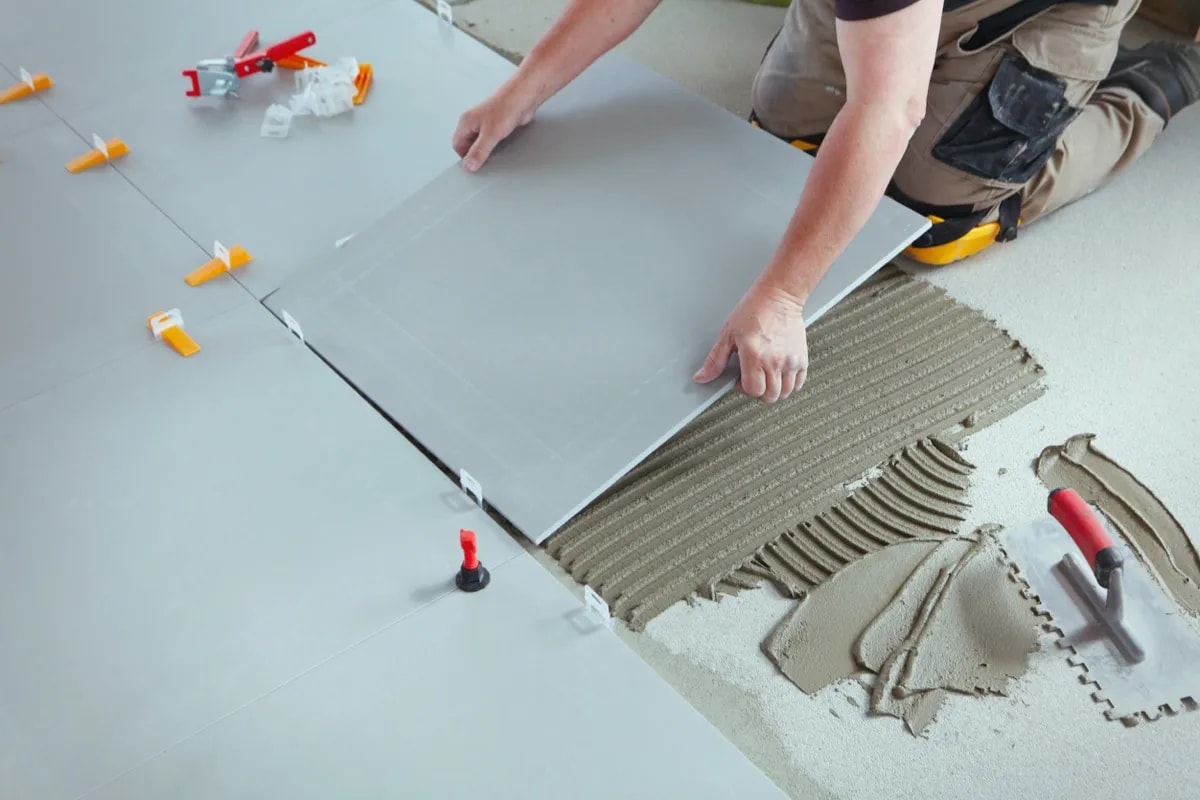
New tiles can sometimes be installed over existing tiles. The decision depends on how firmly the old tiles are bonded, the condition of the area and whether the extra height works with everything around it.
It should be assessed before new tiles or a start date are locked in.
What needs to be checked
Are the old tiles firmly bonded?
Loose, hollow or moving tiles are not a sound base for another tiled finish. Cracks or movement also need to be understood before deciding what stays.
Is the surface suitable for preparation?
The old finish needs to be clean and capable of receiving the preparation and adhesive system selected for the new tiles.
Will the extra height cause a problem?
Another layer changes finished levels. That can affect:
- doors and cabinet clearances;
- floor wastes and drains;
- steps and trip points;
- balcony and bathroom thresholds; and
- the transition to nearby floors.
Is it a wet area?
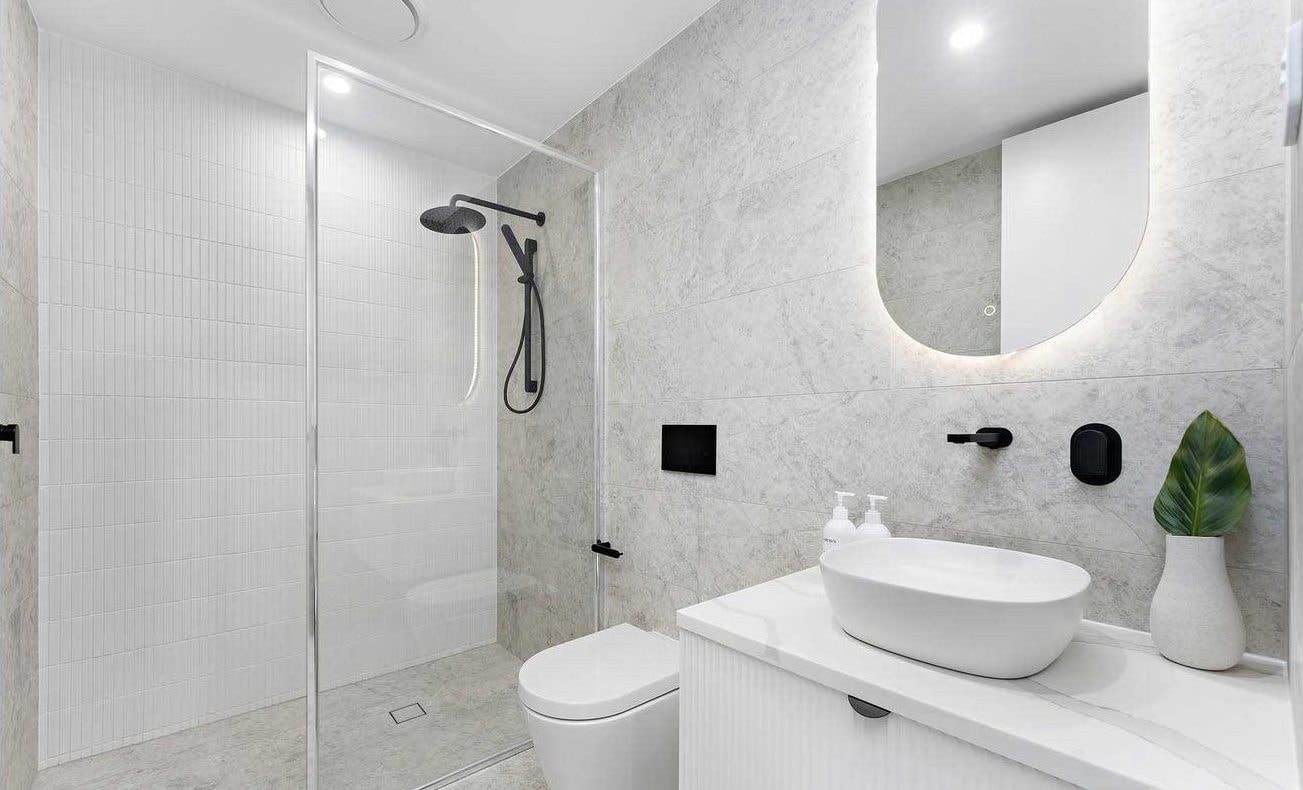
Bathrooms, laundries and balconies need closer review. Keeping the old tiles limits what can be seen underneath, and the wet-area preparation required for the new work needs to be considered.
When removal may make more sense
Removing the old tiles gives clearer access to the surface below. It is often the more useful starting point when tiles are loose, levels are already high, there are signs of movement or the layout around drains and thresholds needs to change.
Removal adds labour, disposal and preparation, so those items should be shown clearly in the quote.
When an overlay may be considered
An overlay may be worth discussing where:
- the existing tiles are firmly bonded;
- the surface can be prepared for the new system;
- finished height and clearances still work; and
- the area does not need work that requires the old finish to be removed.
The answer is based on the actual surface, not a rule that applies to every room.
What to send with your enquiry
Include wide photos, close-ups of any cracks or loose tiles, the approximate area and photos of doors, drains and adjoining floors. Ace will let you know whether a site inspection is needed.

Ace Tiling Sydney
Sydney tiling and renovation business
Practical tiling and renovation advice from an owner-operated Sydney business with more than 15 years of trade experience.
Request a Free Quote